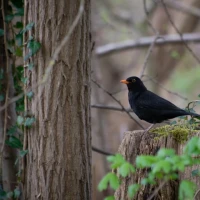
The world of avian creatures is a kaleidoscope of colors, and amidst this vibrancy, the black and blue birds hold a fascination all their own. These birds, adorned in shades that echo the night sky and the deepest oceans, have captivated birdwatchers, ornithologists, and nature lovers alike. Their striking plumage, remarkable habitats, and diverse behavior patterns make black and blue birds an enigmatic topic to explore.
In this article, we unlock the mystery surrounding these extroardinary birds and take a deep dive into the lives of some of the planet’s most awe-inspiring species. Whether you’re an avian enthusiast or simply someone with a passing interest in nature’s wonders, the black and blue birds of the world deserve your attention.
The Allure of Black and Blue: Understanding Avian Colors
The coloration of birds is more than mere happenstance; it plays a significant role in their survival and reproduction. To understand why some birds boast black and blue feathers, let’s delve into the science behind these mesmerizing hues.
The Science of Feather Pigments
Bird feathers get their colors mainly from two types of pigments: melanins, which produce browns and blacks, and carotenoids, responsible for reds, oranges, and yellows. However, true blue colors in birds are not produced by pigments but by the structure of the feather.
- Melanin: Offers the advantage of strength and durability to feathers.
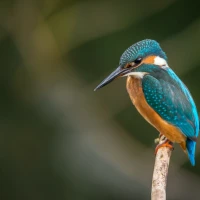
- Structural Coloration: Blue hues are caused by light scattering off the microscopic structure in feathers.
Significance in the Wild
- Camouflage: Black feathers can be used for stealth, helping birds blend into dark environments.
- Heat Absorption: Dark feathers absorb more heat, which can be an advantage in colder climates.
- Mating Displays: Bright blue plumage often plays a role in courtship rituals and mating displays.
A Spectrum Within the Sky: Types of Black and Blue Birds
Let’s meet some of the black and blue feathered friends that adorn our skies. Here are just a few that highlight the diversity and beauty of these avian wonders.
Black Birds: Dark Knights of the Skies
The Common Raven (Corvus corax)
- Known for their intelligence and problem-solving abilities.
- Display a glossy black coat that can show a bluish or purplish sheen in the right light.
The European Starling (Sturnus vulgaris)
- While primarily black, their plumage can show an array of colors, including blue, in a radiant iridescence.
- Their mimicry capabilities are exceptional, often imitating a variety of sounds and other bird calls.
Blue Birds: Sapphire Gems of the Skies
The Eastern Bluebird (Sialia sialis)
- A symbol of happiness, these birds flaunt a vivid blue back and a rusty red throat and chest.
- They are a conservation success story, bouncing back from declining populations in the past.
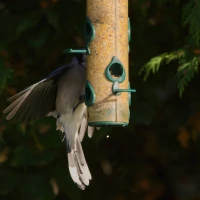
The Blue Jay (Cyanocitta cristata)
- Known for their bold personality and remarkable blue crest.
- Their feathers are actually brown, but due to the light scattering, they appear blue to the human eye.
Habitats and Homes: Where to Find Black and Blue Birds
To spot these colorful creatures, knowing where they prefer to call home is key. Black and blue birds can be found in a variety of habitats around the world.
Predominant Habitats
- Woodlands: Many blue birds like the Eastern Bluebird and the Blue Jay thrive in wooded areas.
- Urban Areas: Black birds such as the European Starling are highly adaptable and often found in cities.
Nests and Nesting Habits
- Bluebirds: Prefer open fields with scattered trees for nesting, using birdhouses or old woodpecker holes.
- Ravens: Often found in mountainous regions, they are known for building large stick nests.
Birdwatching Bliss: How to Observe These Birds in the Wild
Birdwatching can be a highly rewarding hobby, and observing the black and blue feathered species is no exception. Here are some tips for both novice and veteran birdwatchers.
Gear Up
- Binoculars: A good pair of binoculars is essential to get a close look at these birds without disturbing them.
- Field Guide: Carry a birdwatching guide to help you identify species and understand their behaviors.
Best Practices
- Patience is Key: Birds may take time to appear, so patience is crucial.
- Be Discreet: Wear colors that blend with the environment and move quietly.
Conservation and Challenges: The Plight of Black and Blue Birds
Unfortunately, not all is well for our feathered friends. They face a myriad of threats, from habitat loss to climate change.
Threats to Populations
- Habitat Destruction: Expanding human development can destroy the natural habitats of these birds.
- Climate Change: Changes in weather patterns and temperatures can affect migration and breeding seasons.
Conservation Efforts
- Protected Areas: Establishing bird sanctuaries and protected habitats can help preserve species.
- Captive Breeding Programs: For critically endangered species, captive breeding can be a lifeline.
A Birder’s Paradise: Top Locations to Witness Black and Blue Birds
To see these magnificent creatures in all their glory, here are some of the world’s best places for birdwatching.
North America
- The Everglades, USA: Home to a diverse species of birds, including the vibrant blue Indigo Bunting.
- Point Reyes National Seashore, USA: A prime spot for observing the majestic Ravens and Scrub Jays.
Europe
- The Camargue, France: A wetland reserve that’s ideal for spotting the European Starling among other species.
- Dovrefjell National Park, Norway: Offers a chance to see the Arctic-loving Ravens.
Capture the Moment: Photography Tips for Black and Blue Birds
For those looking to immortalize the beauty of black and blue birds through photography, consider the following:
Camera Settings
- Fast Shutter Speed: Birds move quickly, so you’ll need a fast shutter speed to capture crisp images.
- Appropriate Aperture: A wide aperture (low f-number) helps to focus on the bird while blurring the background.
Composition
- Rule of Thirds: Imagine a grid on your viewfinder and try to position the bird where the lines intersect.
- Catchlight: A bit of light reflected in the bird’s eye can bring life to your photo.
Closing Thoughts on the Black and Blue Feathered World
The black and blue birds of the world are truly a spectacle to behold. Their intriguing behaviors, stunning habitats, and the sheer beauty of their plumage make them a source of endless fascination. As we strive to protect these remarkable species, let us continue to appreciate the role they play in our ecosystems and the joy they bring to bird enthusiasts everywhere.
By delving into the lives of these mysterious avians, we can not only cultivate a deeper understanding of our natural world but also contribute to its preservation. The black and blue birds, with their complex symphony of colors, serve as a powerful reminder of the diversity and interconnectedness of life on Earth.