Welcome to the enchanting realm of hummingbirds, the feathered jewels of the sky. Among them, the Black-Chinned Hummingbird stands out as a creature of grace and mystery. This diminutive avian dynamo captivates bird enthusiasts and casual nature lovers alike with its iridescent glimmer and astonishing agility. With its home in the Western Hemisphere, this species offers a glimpse into the intricate dance of nature’s balance. Join us as we unfold the secrets of the Black-Chinned Hummingbird’s life, uncovering the fascinating details of its behavior, habitat, migration, and survival tactics in a world that constantly changes around it.
Introduction: The Black-Chinned Hummingbird Unveiled
Who Is the Black-Chinned Hummingbird?
The Archilochus alexandri, commonly known as the Black-Chinned Hummingbird, is a North American bird species admired for its beauty and vitality. This tiny bird captivates onlookers with its remarkable features and behavior, and despite its small size, it plays a significant role in the pollination of various plants.
Unraveling the Biology and Behavior
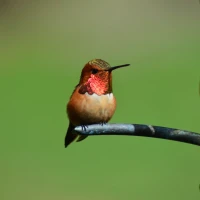
Understanding the Black-Chinned Hummingbird starts with its biology. Males can be recognized by their black chins—a feature that reveals a hidden violet hue when hit by sunlight—while females boast a more subdued look with greenish feathers. These birds hover effortlessly, their wings beating at an astonishing speed, and they possess the extraordinary ability to fly in almost every direction, including backward.
Habitat and Distribution: Where to Find the Black-Chinned Hummingbird
The habitat of the Black-Chinned Hummingbird stretches from the mountainous terrains to the lowland deserts, mainly in the western United States during the breeding season. As the seasons turn, they migrate towards Mexico and the Gulf Coast for the winter.
The Importance of the Black-Chinned Hummingbird
Though often overlooked due to their size, Black-Chinned Hummingbirds are vital players in their ecosystems. They cross-pollinate flowers while seeking nectar, ensuring the reproduction of various plant species.
With this foundation, let’s delve deeper into the enchanting world of the Black-Chinned Hummingbird.
Exploring the Enigmatic Lives of Black-Chinned Hummingbirds
Anatomy and Physiology: Mastering the Skies
The Black-Chinned Hummingbird boasts an array of physical adaptations that empower its aerobatic capabilities:
- Rapid Wingbeats: Their wings beat up to 70 times per second, offering precision flying.
- Unique Skeletal Structure: A distinctive ball-and-socket joint at the shoulder allows for a wide range of motion.
- Energy-Efficient: Their tiny bodies and metabolism are fine-tuned for feeding on nectar while expending minimal energy.
Behavior and Social Interaction: A Closer Look
Behaviorally, Black-Chinned Hummingbirds exhibit fascinating characteristics:
- Territoriality: Males aggressively defend their feeding territories.
- Mating Display: The courting male performs a diving display to attract a mate.
- Solitary Showstoppers: Outside of mating, they prefer solitude.
Diet: Sustaining a Hummingbird’s Life
The diet of the Black-Chinned Hummingbird primarily consists of nectar and insects. This mix ensures a balance of carbohydrates for energy and protein for growth and repair.
Breeding and Nesting: Continuation of the Species
During the breeding season, females construct nests using plant down, spider silk, and other materials, where they will lay typically two eggs. The nests are marvels of architecture, designed to stretch and accommodate growing chicks.
Environmental Challenges and Conservation
The survival of the Black-Chinned Hummingbird faces numerous challenges:
- Habitat Loss: Urban development threatens their natural habitats.
- Climate Change: Temperature shifts impact their migration and food availability.
- Predation: A myriad of predators endangers their delicate existence.
Efforts in conservation and public education are crucial in ensuring this species’ perseverance.
Migration Mysteries: Journeys of Resilience
Migration is one of the most remarkable aspects of the Black-Chinned Hummingbird’s life. Undertaking long journeys twice a year, they navigate with precision, using celestial cues and possibly geomagnetic fields.
The Jewel of Nature: Attracting and Protecting Black-Chinned Hummingbirds
Creating a Hummingbird Haven
Gardeners and bird lovers can attract Black-Chinned Hummingbirds by planting native species that provide natural nectar sources. Providing a feeder with a homemade sugar solution can supplement their diet, especially during migration.
Conservation Strategies: Ensuring Their Future
Protecting the Black-Chinned Hummingbird requires collective action:
- Plant Native Flora: Cultivate plants that provide natural food sources.
- Mitigate Climate Impact: Combat climate change by reducing carbon footprints.
- Support Organizations: Engage with and support conservation initiatives.
By understanding and implementing these strategies, we can help secure a stable future for the Black-Chinned Hummingbird.
Unveiling the Fascination: An In-Depth Look at the Black-Chinned Hummingbird
Unique Pollination: The Hummingbird’s Service to Nature
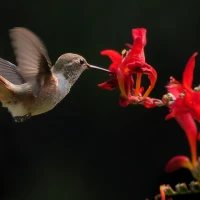
Black-Chinned Hummingbirds are indispensable pollinators. While feeding on nectar, they inadvertently transfer pollen from flower to flower, aiding in plant reproduction.
Birdwatching Tips: Spotting the Black-Chinned Hummingbird
For birdwatchers aiming to spot these creatures, here’s what to keep in mind:
- Visit Their Habitat: Explore areas where they are known to reside.
- Heightened Observation: Pay attention to high activity areas like flowering plants.
- Patience Pays Off: Hummingbirds may take time to appear, but the wait is worthwhile.
The Awe-Inspiring Flight: A Mechanical Wonder
The flight capabilities of the Black-Chinned Hummingbird are unmatched in the bird world. They manage sustained hovering and intricate maneuvers due to their unique wing structure and fast-twitch muscle fibers.
In Conclusion: Celebrating the Black-Chinned Hummingbird
The Black-Chinned Hummingbird is more than just an avian curiosity; it is a living testament to the beauty and complexity of nature. These birds enchant us with their vibrancy and resilience, serving as a reminder of the delicate balance within ecosystems. By diving into the world of these captivating creatures, we gain not only understanding but also an appreciation for the small yet significant players in our environment.
From their iridescent feathers to their unparalleled flight mechanics, the Black-Chinned Hummingbird stands as an emblem of nature’s ingenuity. As we continue to protect and support their habitats, we ensure that future generations can also experience the wonder of these miniature marvels—the black-chinned emissaries between flowers and the skies.