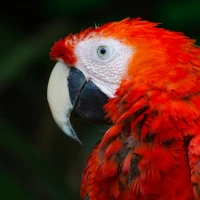
Bright, boisterous, and brilliantly hued, the Blue Jay is a familiar sight for many bird enthusiasts and casual observers alike. These striking creatures are not only a visual treat but also a fascinating subject for their complex behaviors, social structures, and their surprising intelligence. In this in-depth exploration, we will unveil the secrets of these vibrant birds, peering into various facets of their existence that make them such a compelling species to study and observe.
Introduction to the Wondrous World of Blue Jays
Blue Jays are one of the most recognizable and beloved birds in North America. Known for their vibrant blue feathers and loud calls, they have captured the attention of birdwatchers and nature lovers alike. They are also a topic ripe for SEO optimization, due to their widespread popularity and interest among online communities. In this article, we will delve into the fascinating behaviors, diet, habitat, and conservation status of Blue Jays, enriching our understanding of these bold avians.
Understanding Blue Jay Characteristics
Blue Jays, the colorful residents of vast North American forests, suburbs, and backyards, are more than just a pretty sight among the foliage. Their distinctive blue, white, and black plumage along with the crest atop their heads make them easy to identify. Not only are their looks impressive, but so are their behaviors and intelligence, which includes:
- Advanced communication techniques
- Social structures
- Mimicry and problem-solving abilities
These birds are highly adaptable and can thrive in various environments, from dense forests to suburban gardens, making them a widespread species across their range.
The Vibrant Visuals: Blue Jay Plumage and Appearance
The Dazzling Colors of Blue Jays
A Blue Jay’s feathers are a marvel of nature, with rich blues and bold patterns that are immediately eye-catching. Interestingly, their blue coloring is not the result of pigment but is instead caused by the unique structure of their feathers, which reflects and refracts light. The brighter the blue, the more healthy and well-nourished a Blue Jay is, which is an essential aspect for mating and territorial displays.
- Bright blue feathers
- Bold black bands
- Distinctive crested head
These features not only make Blue Jays a beautiful sight but also offer them various advantages in the wild.
The Intricate Song of the Blue Jay: Communication and Calls
Blue Jays are as audacious vocally as they are visually. Their vocalizations can range from the softest whispers when alone to the loud ‘jay! jay!’ calls for which they are famous. Their vocal arsenal is used not only to communicate with fellow Jays but also to alert other species to potential dangers.
The Range of Blue Jay Vocalizations
Alarm Calls and Ecological Impact
Alarm calls serve as a critical component in the ecosystem, often alerting other species to predators. By paying attention to Blue Jay calls, smaller birds and animals can take cues about the safety of their environment.
Mimicry: Blue Jays as Feathered Impersonators
Mimicry of hawks and other birds is another intriguing aspect of Blue Jay behavior. This tactic can be used to test the alertness of other species or even to clear a feeding area of competition. This intelligent use of sound is a testament to their elaborate communication skills.
The Social Structure and Behavior of Blue Jays
Flock Dynamics: Cooperation and Competition
Blue Jays often form tight-knit family groups and can be quite social, yet they also exhibit hierarchies within their flocks. Their social interactions can range from cooperative feeding to aggressive territorial disputes.
Mating Rituals and Nested Life
During mating seasons, Blue Jays engage in elaborate courting displays, showcasing their feathers and intelligence to attract a mate. Once paired, both parents play active roles in nesting and raising their young, emphasizing the importance of family in their social structure.
Diet and Feeding Habits: Blue Jay Cuisine
One of the many secrets to the Blue Jay’s adaptability is its omnivorous diet, allowing it to eat a variety of foods based on what is available in its environment.
Foraging Tactics and Favorite Foods
A Blue Jay’s diet typically includes:
- Insects and worms during the spring and summer
- Seeds and nuts, particularly acorns, during the fall and winter
- Occasional fruits and vegetables when other food sources are scarce
Their foraging tactics can be complex, reflecting their intelligence. Blue Jays are known to store food for later consumption and even watch other birds to steal their food caches.
Habitat and Range: The Expansive World of Blue Jays
Despite their colorful appearance, Blue Jays are remarkably well-suited to a variety of habitats. They can be found throughout the eastern and central regions of North America, adapting to forests, coastal areas, and urban environments.
The Birds’ Adaptability to Changing Environments
Their ability to live in close proximity to humans shows their impressive adaptability. However, it also makes them susceptible to the dangers of habitat destruction and other environmental pressures.
Conservation and Protection of Blue Jays
The Current Status: Are Blue Jays at Risk?
Despite facing challenges, Blue Jays are currently not considered endangered. They have a conservation status of Least Concern per the IUCN Red List. Nevertheless, they still benefit from conservation efforts aimed at preserving forests and combatting climate change, which threaten their habitats.
Human Interaction and Impact
Our actions have a significant impact on Blue Jays and other wildlife. Responsible environmental stewardship can ensure that Blue Jays continue to thrive for generations to come.
- Protecting natural habitats
- Reducing urban sprawl
- Combatting climate change
These concepts are essential to maintaining healthy populations of Blue Jays across North America.
Conclusion: The Enduring Allure of Blue Jays
Blue Jays are an extraordinary species whose vibrant colors, complex behaviors, and intelligence make them a fascinating study for ornithologists and casual observers alike. By understanding more about these birds, we can appreciate their role in the ecosystem and the importance of their conservation.
This comprehensive look at the Blue Jays’ world sheds light on the many facets of their lives, from their striking plumage to their adaptive survival strategies. Through our continued fascination and responsible actions, we can ensure that the Blue Jay’s calls will echo through our forests and neighborhoods for many years to come, bringing joy and vibrancy to our lives.
The secrets unveiled in this article provide a more profound connection to these remarkable birds and inspire us to protect and enjoy the natural world in which they play such an integral part. Blue Jays, with their beauty and brains, remind us of the intricate tapestry of life that surrounds us every day, encouraging us to look up and admire the feathered wonders that share our skies.