Nestled in the lush rainforest and resplendent cities of Brazil, real-life feathered beauties have soared into the hearts of millions through the vibrant animations of the hit film Rio. As the movie charmed audiences with its colorful characters, it also shined a spotlight on the exotic birds that call Brazil their home. In this deep dive, we’ll unveil 10 fascinating facts about the real birds that inspired the unforgettable characters of Rio, showcasing how nature’s masterpieces influenced this animated treasure.
1. Blu - The Spix’s Macaw
Meet Blu, Rio’s lovable hero, who took flight in our imaginations as a Spix’s Macaw. Here are facts about his real-world counterparts:
The Rarity of the Spix’s Macaw
- Extinction in the Wild: With a striking blue plumage, the Spix’s Macaw, known scientifically as Cyanopsitta spixii, was declared extinct in the wild in 2000 due to habitat destruction and illegal pet trade.
- Conservation Efforts: Intensive conservation efforts, including breeding programs, are striving to reintroduce these birds into their natural habitat.
Characteristics Mirrored in Blu
- Mimicry Skills: This species is known for their impressive ability to mimic sounds, a trait endearingly portrayed by Blu in Rio.
- Social Interaction: Similar to the character, real Spix’s Macaws are incredibly social, forging strong bonds with their mates.
2. Jewel - The Fiercely Independent Companion
As Blu’s counterpart, Jewel represents the fiercely independent spirit akin to female Spix’s Macaws.
Female Macaw Traits
- Matriarchal Nature: Female Spix’s Macaws are often the dominant partners in a pair, a characteristic reflected in Jewel’s headstrong personality.
- Nesting Responsibilities: In Rio, Jewel is protective of her family, similarly to how female macaws meticulously care for their eggs.
3. Nigel - The Villainous Sulphur-Crested Cockatoo
Nigel, the film’s antagonist, is a Sulphur-Crested Cockatoo with a dark side, unlike his real-life counterparts who are generally more affable.
Sulphur-Crested Cockatoos in the Wild
- Playful and Intelligent: These cockatoos are playful and incredibly intelligent, often using tools and solving complex problems.
Why a Cockatoo as the Villain?
- Anthropomorphism in Animation: The decision to cast a cockatoo as the villain may stem from their dynamic expressions and large crests—features that animators can exaggerate for dramatic effect.
4. Pedro and Nico - The Samba-Loving Red-and-Green Macaw & Canary
Pedro and Nico add musical flair to Rio, and their real-life counterparts are equally vivacious.
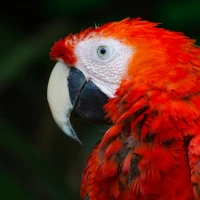
Red-and-Green Macaw Facts
- Colors and Size: These macaws boast vibrant feathers and a large size, making their animated representation, Pedro, an eye-catching character.
- Forest Canopies: Inhabiting forest canopies, they’re essential for seed dispersal, a role not highlighted in the film.
Canary Attributes
- Songbirds: Canaries are famed for their singing ability, a delightful link to Nico’s love for music in Rio.
- Domestic Popularity: Unlike the wild canaries that roam free, Nico’s depiction more closely resembles the domesticated birds favored by bird-lovers for centuries.
5. Rafael - The Toco Toucan
Rafael, Rio’s charming Toco Toucan, brings a touch of wisdom and a vibrant beak into the storyline.
Toco Toucan Features
- Largest of Toucans: The real Toco Toucan is the largest of its species and possesses a striking bill which serves as a focal point in Rio.
- Fruit-Lover’s Diet: Like Rafael, Toco Toucans have a diet comprising mostly fruit. They play a critical role in their ecosystems as seed dispersers.
6. Luiz - The Salivating Bulldog
While not a bird, Luiz, the slobbering bulldog, deserves an honorable mention for his interaction with the avian stars.
Bulldog and Bird Interactions in Urban Areas
- Threat to Birds: In urban ecosystems, dogs can pose a threat to birds, but in Rio, Luiz is a friendly accomplice, breaking the stereotype.
7. Mauro and the Marmosets - Adorable but Invasive
Mauro, the leader of the marmosets in Rio, portrays these creatures in a mischievous light, but let’s not forget how invasive species can impact native bird populations.
Marmosets’ Ecological Impact
- Competition for Resources: Marmosets compete with birds for food and nesting sites, which can be detrimental to avian species in overlapping habitats.
8. Eva - The Keel-Billed Toucan
Eva, Rafael’s wife in Rio, is yet another toucan character modeled after the vibrant Keel-Billed Toucan.
Keel-Billed Toucan Characteristics
- Rainbow-Plumed Array: Known for their rainbow-colored bills, Keel-Billed Toucans are as stunning in real life as Eva is in the animation.
- Social Monogamy: These toucans are monogamous during breeding seasons, a trait shared by Eva and Rafael’s relationship in Rio.
9. Linda - The Guardian of Blue and the Tropical Birds
Linda, Blu’s human caretaker, is a symbol of the genuine concern and conservation efforts needed to protect these majestic creatures.
Human Intervention in Avian Protection
- Wildlife Rehabilitation: Individuals like Linda, who care for endangered birds, play a vital role in recovery efforts for species at risk.
10. The Reality of Illegal Pet Trade and Deforestation
While the charm of Rio lies in its animated storytelling, it’s important to address the grave issues faced by the film’s real-life inspirations.
Consequences of the Pet Trade and Habitat Loss
- Endangered Species: The pet trade and habitat destruction have led to the dire status of several bird species, including the Spix’s Macaw.
- Human Responsibility: Films like Rio can increase awareness and foster a sense of stewardship among viewers to protect these wonders of nature.
As we delve into the magnificent avian world of Brazil and beyond, let’s continue to appreciate not only the charismatic characters of Rio but also the mesmerizing and vital bird species that inspired them. Through education and conservation, we can ensure that birds like Blu, Jewel, and their real-life counterparts continue to thrive and enchant generations to come.
With this deeper understanding, may we all feel inspired to learn more about these birds and support conservation efforts to keep their melodies alive in both our backyards and the wilds of tropical paradises.