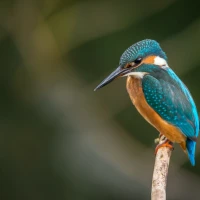
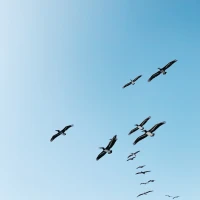
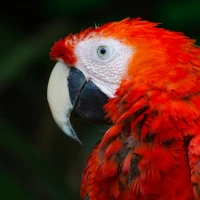
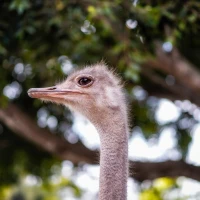
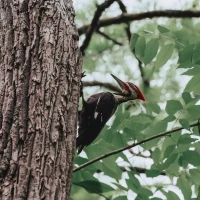
Hawaii: a lush mosaic of tropical landscapes, each island brimming with a diverse array of avian marvels. The archipelago’s remote location, a beacon in the vast Pacific Ocean, has given rise to an extraordinary birding paradise. Hawaiian birds offer a kaleidoscope of colors, unique behaviors, and melodious songs that continue to mesmerize both seasoned ornithologists and casual observers alike. Here, we will embark on a journey through the skies and forests of Hawaii to uncover 10 of the most captivating bird species that embody the spirit of the islands.
Hawaiian Honeycreepers: Jewels of the Canopy
Within the depths of Hawaii’s verdant forests dwell a group of birds that are the emblem of evolutionary creativity—the Hawaiian Honeycreepers. Bearing vibrant feathers and an assortment of beak shapes catered to their specific dietary needs, these birds are a testament to the islands’ biological extravagance.
Iiwi (Scarlet Honeycreeper)
- Scientific Name: Drepanis coccinea
- Status: Vulnerable
The Iiwi is one of the most iconic of the honeycreepers. With its brilliant scarlet feathers and sickle-shaped bill, the Iiwi is a vision of beauty amongst the lush canopies. Once widespread across the islands, these birds now face threats from habitat loss and avian diseases.
Feeding Habits
- Specialized nectar-feeder
- Occasionally consumes insects
The Iiwi’s elongated bill is perfectly adapted to siphon nectar from the deep floral throats of native lobelioids. Their presence is vital to the pollination of these flowers, showcasing a remarkable instance of coevolution.
'Akiapōlā’au
- Scientific Name: Hemignathus munroi
- Status: Critically Endangered
Bearing a distinctive two-part bill, the 'Akiapōlā’au employs an intriguing method to sustain itself. The lower mandible is used to chisel into woody branches while the upper functions as a fine probe to extract larvae and insects.
Habitat and Conservation
- Prefers older-growth koa and 'ōhi’a forests
- Conservation efforts are critical for survival
The 'Akiapōlā’au’s dependence on specific forest types makes it particularly vulnerable to deforestation and the spread of non-native plant species. Conservation programs are integral to protect these unique ecological niches.
Majesty of the Wetlands: Hawaiian Waterbirds
The Hawaiian islands also boast an array of waterbirds that are equally mesmerizing, gracing the wetlands with their presence and contributing to the biodiversity of these vital ecosystems.
Hawaiian Stilt (Ae’o)
- Scientific Name: Himantopus mexicanus knudseni
- Status: Vulnerable
The elegant Ae’o, with its long, thin legs and striking black-and-white plumage, patrols the shallow waters in search of small fish and invertebrates. The Ae’o’s distinct call is a familiar sound in Hawaii’s coastal marshes and freshwater ponds.
Breeding and Behavior
- Nests in open, shallow water areas
- Known for defensive, noisy displays when threatened
These stilts are highly territorial during the breeding season, with pairs engaging in dramatic aerial displays to protect their nests from intruders.
Hawaiian Coot (ʻAlae Keʻokeʻo)
- Scientific Name: Fulica alai
- Status: Vulnerable
The ʻAlae Keʻokeʻo stands out with its prominent white bill and frontal shield juxtaposed against dark feathering. As a vital component of Hawaii’s freshwater ecosystems, these coots play a significant role in maintaining the ecological balance.
Habitat Requirements
- Prefers freshwater marshes and ponds
- Requires dense vegetation for cover and nesting
These coots rely heavily on the quality of their wetland habitats, which are being encroached upon by human activity and invasive species, presenting ongoing challenges for their conservation.
Mountain Dwellers: Birds of the Hawaiian High Elevations
The Hawaiian highlands offer a cooler, often mist-shrouded refuge for a variety of bird species. The isolation of these habitats has fostered the evolution of some of Hawaii’s most extraordinary birds.
‘Apapane
- Scientific Name: Himatione sanguinea
- Status: Least Concern
The vibrant crimson ‘Apapane is a sight to behold amidst the ‘ōhi’a lehua blossoms. Its pleasant song fills the mountain air, creating a serene atmosphere that resonates with the heartbeat of the archipelago.
Migration Patterns and Behavior
- Nomadic, moving in response to flowering cycles
- Forms large flocks during non-breeding season
The ‘Apapane’s mobility helps to ensure a constant influx of nectar throughout the year while also aiding the cross-pollination of plants across different regions and elevations.
Hawaiian Amakihi
- Scientific Name: Chlorodrepanis virens
- Status: Least Concern
Despite the widespread avian malaria that has devastated many Hawaiian bird populations, the resilient Hawaiian Amakihi continues to thrive. Its adaptability to various habitats and altitudinal ranges has been a key factor to its survival.
Survival Adaptations
- Shows some resistance to avian diseases
- Utilizes a variety of native and non-native plant species for sustenance
Their flexibility in diet and habitat preferences has allowed the Hawaiian Amakihi to become one of the most commonly seen honeycreepers in the archipelago.
Coastal Beauties: Seabirds of the Hawaiian Shores
Among the windswept coastlines and open ocean surrounding Hawaii, a diverse group of seabirds find their sanctuary. The vast Pacific provides a rich hunting ground for these skilled fliers.
Laysan Albatross (Moli)
- Scientific Name: Phoebastria immutabilis
- Status: Near Threatened
Known for its impressive wingspan and effortless gliding, the Moli graces the skies above the islands. These albatrosses embark on transoceanic journeys that attract birdwatchers from across the globe.
Reproduction and Nesting Habits
- Monogamous, with long-term pair bonds
- Nest primarily on low-lying Northwestern Hawaiian Islands
The long-lived Laysan Albatross demonstrates remarkable fidelity, returning to the same nesting sites year after year to reunite with their mates and raise their young.
Red-Footed Booby (ʻAʻewa)
- Scientific Name: Sula sula
- Status: Least Concern
Vibrant red feet and an agile airborne agility make the Red-Footed Booby a captivating sight. Their colonies are full of activity, a symphony of squawks and fluttering wings that energize the coastal cliffs they prefer for nesting.
Foraging Techniques
- Skilled divers, plunging from high above the water
- Feeds primarily on flying fish and squid
In a breathtaking display of precision, the Red-Footed Booby can be seen plummeting beak-first into the sea, emerging moments later with its aquatic prize.
Forest Guardians: Endemic Birds Protecting the Ecosystem
Hawaii’s native birds fill crucial ecological roles, acting as guardians of the delicate balance within their forest homes. They are both symbolic of the islands’ natural heritage and pivotal to its continued health.
Hawaiian Crow (‘Alalā)
- Scientific Name: Corvus hawaiiensis
- Status: Extinct in the Wild
With intelligence to match its glossy black plumage, the ‘Alalā was once a cultural icon. Efforts to reintroduce this keystone species into protected habitats are ongoing, with hopes to restore not just the bird but also the integral part it plays in seed dispersal and forest dynamics.
Captive Breeding and Release Efforts
- Intensive management to maintain genetic diversity
- Release into protected areas with habitat restoration
While challenges remain, the dedication to the ‘Alalā’s recovery epitomizes the larger conservation movement within Hawaii, a beacon of hope for the archipelago’s native birds.
Pueo (Hawaiian Short-Eared Owl)
- Scientific Name: Asio flammeus sandwichensis
- Status: Least Concern
The enigmatic Pueo is known as Hawaii’s only endemic owl, revered in local culture as an ‘aumākua (ancestral spirit). With its silent flight and striking golden eyes, the Pueo stands as a guardian over the open grasslands and forest edges where it hunts.
Cultural Significance and Protection
- Strongly linked to Hawaiian mythology and folklore
- Protection of their habitat is vital for their continued presence
The reverence the Pueo commands is reflected in the conservation work being done to ensure these majestic birds remain a living part of Hawaii’s rich tapestry of birdlife.
These 10 mesmerizing Hawaiian birds offer a glimpse into the fascinating avian diversity of the islands. Through concerted conservation efforts, sustainable tourism, and increased awareness, these island avian wonders will continue to thrive, sparkling like gems against the breathtaking backdrop of Hawaii’s natural beauty. Bird enthusiasts and nature lovers alike are captivated by their unique qualities, from the tuneful melodies of songbirds to the acrobatic feats of seabirds. To preserve their enchanting presence, we must not only admire them but also commit to the stewardship of the environments they call home. As we venture forth, may the spectacle of Hawaii’s birds inspire us all to cherish and protect the natural world around us.