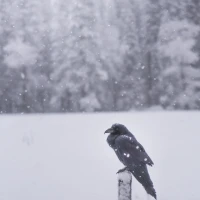
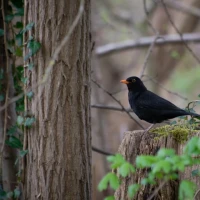
Crows, those enigmatic birds that grace the skies with their presence, have always been subjects of profound curiosity. Their intelligence and complex behaviors are well-documented, sparking intrigue and wonder. One particular aspect of these feathered creatures that continues to mesmerize people is their lifespan. How long do crows live? This question resonates with bird enthusiasts and casual observers alike—it’s a query that intertwines with tales of survival, adaptation, and the sheer will to thrive in various environments. Within this meticulously crafted article, we will delve deep into the secrets behind the longevity of crows, unraveling the factors that contribute to their extended years.
The Average Lifespan of Crows: A Deeper Look into Their Years
Understanding the lifespan of crows begins with recognizing the difference between their life in the wild and in captivity. The length of time these birds live is influenced by a myriad of factors that include diet, habitat, predation, and human interaction.
In the Wild: The Natural Life Expectancy of Crows
In their natural habitats, the lifespan of crows can be quite variable. Several factors play into their survival:
- Predation: Natural predators such as hawks, owls, eagles, and even raccoons can cut a crow’s life short.
- Disease: Exposure to various illnesses and parasites can significantly impact a crow’s health and lifespan.
- Food scarcity: The availability of food resources dictates a crow’s ability to nourish itself properly, affecting its overall lifespan.
- Environmental hazards: Human-made dangers, like pesticides and pollution, also pose a threat to the longevity of crows.
Amid these challenges, on average, wild crows are known to live anywhere from 7 to 15 years, with many factors influencing these numbers.
In Captivity: How Caring Environments Extend Crows’ Lives
Conversely, crows in captivity often enjoy longer lifespans, thanks to controlled environments that mitigate many of the risks encountered in the wild. Access to abundant food, absence of predators, and medical care contribute to crows living significantly longer—sometimes more than 20 years, with some reports of crows reaching up to 30 years of age.
The Pinnacle of Avian Intelligence: How Brains Boost Crows’ Survival
Crows are renowned for their remarkable intelligence, and this cognitive prowess is a crucial factor in their longevity. Their ability to problem-solve and adapt to changing environments is a testament to their survival skills.
Problem-Solving Prowess and Adaptive Strategies
The intelligence of crows is not just anecdotal; it’s backed by scientific studies showing their capacity for:
- Using tools: Crows fashion implements from twigs and other materials to extract food from hard-to-reach places.
- Social learning: These birds learn from one another, passing on knowledge that aids in survival.
- Memory: Crows have shown the ability to remember human faces and places, which helps them avoid danger.
Complex Social Structures: The Support System of Crows
Crows are also social birds, and their intricate social structures play a role in their lifespan. They live in tight-knit family groups that:
- Protect each other: Crows watch out for predators and alert one another of potential threats.
- Cooperate during foraging: By working together, they increase their chances of finding food.
- Share responsibilities: Group members may assist in caring for the young, which improves survival rates.
Nurturing the Next Generation: Crow Reproduction and Lifespan Influence
Reproduction is a significant aspect of crow life that relates to their longevity. The breeding process, from nest construction to caring for the young, requires a tremendous amount of energy and resources, which can affect the lifespan of these birds.
Breeding Habits and Parental Care
Crows typically:
- Mate for life: Forming a long-term bond with a mate provides stability and consistency.
- Build sturdy nests: This creates a safe environment for raising their young.
- Demonstrate a high level of parental investment: Both parents are involved in the rearing of their chicks.
How Crow Offspring Impact the Longevity of Parents
There is a delicate balance between the energy expended in rearing offspring and the overall health and lifespan of crow parents. An abundance of offspring can:
- Deplete resources: Parents need to find enough food for themselves and their growing chicks.
- Attract predators: More activity around the nest area can increase the risk of predator attacks.
- However, successful reproduction ensures the survival of the lineage, which is the ultimate goal of any species.
The Role of Environment and Ecosystem in Crows’ Lifespan
Crows are highly adaptable birds, but their environment still plays a pivotal role in how long they live. From urban jungles to rural landscapes, the surroundings of a crow can make a significant difference.
Urban Versus Rural Crows: A Study in Adaptation
- Urban crows: These birds benefit from the abundance of food sources like trash and human waste, leading to fewer concerns regarding nourishment. However, the risk of human-related fatalities, such as collisions with vehicles or buildings, is higher.
- Rural crows: While they may face more natural predators and less consistent food sources, rural crows often have fewer environmental toxins to contend with.
Human Interaction: The Double-Edged Sword
Crows have a complex relationship with humans. While we can be a source of sustenance, human activity also poses numerous threats:
- Negative impacts: Habitat destruction, hunting, and poisoning all contribute to the decline of crow populations in some areas.
- Positive interactions: Conversely, conservation efforts and protected areas have a beneficial effect on the crow’s longevity.
Health and Diseases: Understanding Crows’ Biological Challenges
Crows, like all birds, are susceptible to a range of health issues that can affect their lifespan. Disease and injury are significant factors that often go unnoticed but can have a tremendous impact on how long these birds live.
Common Illnesses and Injuries Affecting Crows
Crows are vulnerable to various ailments, some of which are fatal, including:
- West Nile Virus: This disease has been particularly devastating to crow populations.
- Avian pox: A viral disease that can cause lesions, difficulty in breathing, and can lead to secondary infections.
- Broken wings or legs: Injuries can limit a crow’s ability to forage and escape predators, often leading to premature death.
The Role of Veterinary Care in Extending Crows’ Lifespans
Access to veterinary services can significantly extend the lives of crows, particularly those in captivity. Rehabilitation centers and wildlife rescues often care for injured or sick crows, releasing them back to the wild whenever possible or providing lifelong care when necessary.
Conservation Efforts: Safeguarding the Future of Crows
The conservation of crows is crucial for maintaining healthy populations and ensuring that future generations can marvel at these intelligent birds. Efforts to protect and study crows contribute to their longevity and the overall well-being of natural ecosystems.
Conservation Strategies for Crows
Effective conservation strategies include:
- Habitat protection: Preserving the natural environments where crows live is vital.
- Education programs: Informing the public about the importance of crows fosters appreciation and encourages positive actions.
- Research: Ongoing studies help us understand crow populations and how to best assist them.
The Impact of Legislation on Crows’ Lifespan
Laws and regulations aimed at protecting wildlife directly benefit crows by reducing the threats they face. Legal protections against overhunting, trapping, and poisoning are essential components in the collective effort to support crow longevity.
In conclusion, the life expectancy of crows is a complex interplay of genetics, environmental factors, social behaviors, and human interaction. Understanding the intricacies of crows’ lives helps us appreciate these fascinating creatures even more and highlights the importance of protecting our natural world for the countless species, like crows, that depend on its balance. With continued research, conservation, and awareness, we can help ensure that the secrets of crows’ longevity are preserved for future generations to witness.