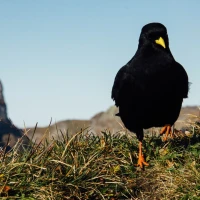
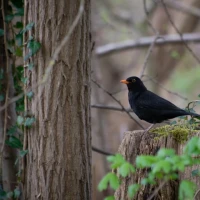
The common crow, an emblem of mystery and intelligence in the avian world, has long captured human fascination. Members of the corvid family, crows are acclaimed for their remarkable intelligence, complex social structures, and adaptability. But one aspect that often piques curiosity is the longevity of these birds. How long does a crow live? This is not just a simple query but an avenue into understanding the resilience and survival strategies of these feathered creatures.
Understanding the life span of crows is crucial, not only for ornithologists and bird enthusiasts but for anyone interested in the broader implications of animal longevity. It sheds light on the evolution of survival instincts, the impact of various factors on life span, and even provides a mirror to our society’s environmental stewardship. Consequently, unlocking the secrets of crow longevity isn’t just about numbers; it’s a reflection of the intricate dance between nature and its inhabitants.
In this comprehensive exploration, we delve into the different facets of a crow’s life span, examining the interplay of genetics, environmental conditions, social behaviors, and human impact on their longevity. So, nestle in as we spread our wings and soar into the detailed life of these enigmatic birds.
The Intriguing Life Span of Crows
Crows typically enjoy a life span that can be astonishing for a bird of their size—a testament to their adaptability and intelligence. Wild crows, on average, live about 7 to 8 years, but this number can be misleading. It’s not uncommon for crows to surpass this average, with some individuals reaching 15 to 20 years of age in natural settings.
Factors Influencing Crow Longevity
Several factors contribute to the life span of a crow, each intertwining with the others to form the web of survival. These factors include:
- Genetics: Like all organisms, the genetic makeup of a crow plays a foundational role in its longevity. Some crows, due to their inherent genetic code, may naturally be predisposed to a longer life.
- Diet: With a varied omnivorous diet, crows consume fruits, nuts, small animals, and even carrion. This diversity in nutrition can bolster their health and, in turn, impact their life span.
- Habitat: The quality of their habitat can either enhance or diminish their chances for a longer life. Urban environments offer different challenges and resources than rural settings.
- Predation and Disease: Exposure to predators and disease can significantly curtail a crow’s life. Nonetheless, crows are agile and intelligent, often able to avoid many dangers that other birds cannot.
- Human Impact: Human activity through urban development, pollution, and other interferences can have profound effects on the life expectancy of crows.
Captive Crows: A Glimpse into Maximum Potential
Captive crows, shielded from predation and with access to consistent food and medical care, can provide insight into the potential maximum longevity of these birds. Some captive crows have been known to live upwards of 20 years, and in rare cases, even beyond 30 years.
The Intelligence Factor in Crow Survival
One cannot discuss crow longevity without addressing the profound intelligence these birds possess. Crows have been observed using tools, recognizing human faces, and even holding grudges. Their brain-to-body size ratio is only rivaled by humans and other primates, indicating a high level of cognitive processing.
Smart Behaviors That Enhance Longevity
Crows engage in behaviors that have direct implications for their survival and life span:
- Use of Tools: Crows have been observed using sticks and other objects as tools to extract food. This inventive behavior reduces exposure to predation and increases food acquisition efficiency.
- Problem-Solving Abilities: They can understand complex problems and solve them, which helps in finding food or evading threats.
- Social Learning: Crows can learn from the experiences and actions of their peers, passing down knowledge that can be vital for survival across generations.
Recognizing Risk: The Crow’s Calculated Caution
Crows are also tactful in assessing their environment for potential hazards. This cautious approach to life ensures they don’t take unnecessary risks that could curtail their impressively long life spans for birds.
The Role of Social Structure in Crow Longevity
Crows are inherently social birds, with family and flock dynamics playing a significant role in their survival. Their social structures range from tight-knit family units to larger flocks that come together for foraging and protection.
Family Bonds: The Key to Crow Success
Within their family groups, crows collaborate in raising young, sharing food, and defending territory. This cooperation leads to improved survival rates for individual crows across all age groups.
Learning from the Elders: Intergenerational Knowledge Transfer
Older crows often serve as repositories of knowledge within their groups. Young crows learn essential survival skills from these experienced birds, equipping the next generation with tools for longevity.
Human Interaction: A Double-Edged Sword for Crow Life Span
While humans have contributed to the decline in life expectancy for many species, our understanding and actions can also have a protective effect on crows. Local conservation efforts, regulations, and research funding can help mitigate negative impacts and promote a healthier, longer life for crows.
The Threats Human Pose
Human threats to crows include:
- Vehicle Collisions: Crows are highly susceptible to being hit by cars while scavenging.
- Pollution: Contaminants in the environment can lead to diseases and reduce food availability.
- Persecution: Although illegal, crows are still sometimes persecuted by humans, either for sport or because they are seen as pests.
The Potential for Human-Crow Coexistence
On the other hand, humans have the potential to create environments where crows can thrive. Measures such as:
- Protective Legislation: Legal protection against hunting and other harmful practices.
- Wildlife Rehabilitation: Establishments that care for injured crows and release them back into the wild.
- Environmental Education: Increasing the public’s understanding of crows can lead to better cohabitation practices.
Health and Medical Interventions in Crow Longevity
With advancements in avian medicine, we now have a better understanding of diseases and health issues that crows face. Strategic medical interventions and preventive measures can considerably extend the life of crows, both in the wild and captivity.
Avian Medicine: A Boon for Crow Health
Veterinarians specializing in bird health can address conditions that once were a death sentence for crows. The accessibility of avian healthcare has increased the life expectancy of birds of all species, including crows.
Diet and Nutrition: Building Blocks of Health
A balanced diet is crucial for crow health. Nutritional research aids in identifying the optimal mixture of carbohydrates, proteins, fats, vitamins, and minerals necessary for a crow’s well-being.
Future Prospects: Ensuring the Continuance of Crow Longevity
Our evolving understanding of crows and their life span opens new pathways to ensure that these intelligent birds continue to thrive. We stand at a crossroads where research, conservation, and heightened awareness can make a profound difference.
Research and Conservation: Gateways to a Brighter Future
Ongoing research into crow behavior, genetics, and health will continue to illuminate ways we can promote longevity in these birds. Conservation efforts, both on a local and global scale, are paramount to ensure crows have the habitats and resources they need to survive and prosper.
Public Participation: Everyone’s Role in Crow Conservation
Each individual has a part to play in the conservation of crows. Whether it’s through supporting local wildlife initiatives, reducing vehicle speeds in high bird-traffic areas, or simply advocating for a cleaner environment, our collective actions can have a significant impact.
In conclusion, the life span of crows is a multifaceted subject influenced by genetics, social structure, intelligence, and human interaction. Each factor plays a role in the complex tapestry that determines how long these fascinating birds live. A crow’s life span can serve as a barometer for the health of our environment and our relationship with the natural world. By continuing to explore and understand the secrets of crow longevity, we unlock a wealth of knowledge that goes far beyond the curiosity about the life expectancy of a single bird species. It challenges us to consider the bigger picture of our intertwined existence with nature and the responsibility we bear to protect it.