Nestled in the diverse landscapes of Massachusetts, from the rolling Berkshire Hills to the sandy shores of Cape Cod, thrives a small yet captivating creature that has captured the hearts of bird enthusiasts and locals alike. The Black-Capped Chickadee, the state bird of Massachusetts, stands as a feathered icon, a symbol of the state’s natural glory. Delicate in size but bold in spirit, this charming bird is not only a favorite among birdwatchers but also a fascinating subject for anyone interested in the rich tapestry of Massachusetts’ wildlife.
In this deep-dive exploration, readers will be whisked away into the world of the Black-Capped Chickadee, discovering its behavioral quirks, habitat preferences, and the undeniable charm that earned it the title of the Massachusetts state bird. So, get ready to embark on a journey through the forests and backyards of Massachusetts to uncover the secrets of this endearing avian character.
The Black-Capped Chickadee: Massachusetts’ Feathered Pride
Understood as a symbol of cheerfulness and industrious personality, the Black-Capped Chickadee (Poecile atricapillus) has been Massachusetts’ official state bird since 1941. It is a resident bird that can be witnessed flitting about year-round, undeterred by the state’s varying temperatures, its agility and adaptability a true testament to the resilience of the local ecosystem.
Identification and Physical Traits
One of the most distinctive aspects of the Black-Capped Chickadee is its striking appearance:
- Size and Shape: Small in stature, with a large head, a short neck, and a tiny body that typically measures about 5 inches in length.
- Plumage: A cap of rich black feathers graces its head, while its throat boasts the same dark hue. The bird’s underparts are a soft, fluffy white, and it exhibits a signature “chick-a-dee-dee-dee” call that resonates through the trees.
- Eyes and Beak: A bold white stripe adorns each side of its face, above the black bib, providing a stark contrast to its black cap. The bird’s short, thick beak is perfect for its varied diet.
Habitat and Adaptability
The Black-Capped Chickadee does not migrate and is a permanent fixture in habitats across Massachusetts. Flexible and resilient, it can be found in:
- Deciduous forests: Preferring woodlands with a mix of shrubbery and tree varieties.
- Coniferous forests: Utilizing the cover of spruce and pine trees for nesting.
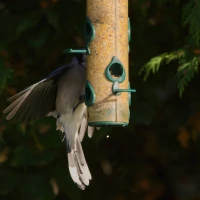
- Suburban areas: Often visiting bird feeders in residential neighborhoods, providing ample bird-watching opportunities.
They adapt well to human presence, making their homes in locations ranging from remote forests to bustling cities.
The Diet of a Chickadee
Despite their size, Black-Capped Chickadees are voracious feeders. Their diet includes a mix of:
- Insects and spiders during the warmer months, providing natural pest control.
- Seeds and berries, often stored in various locations for the winter months.
- Suet and peanut butter from bird feeders, making them welcome guests in many backyards.
Foraging Behavior
The Black-Capped Chickadee exhibits a particularly interesting foraging behavior:
- Boldness: Unphased by humans, they will snatch food directly from feeders or hands.
- Acrobatic Abilities: The bird’s agile maneuvers allow it to hang upside down and glean insects from branches.
- Memory: Impressive spatial memory to relocate caches of hidden food when supplies are scarce.
Celebrating the Massachusetts State Bird: Conservation and Awareness
Embracing the Black-Capped Chickadee as the state bird not only speaks to the cultural identity of Massachusetts but also highlights the importance of conservation efforts for local avian species.
Conservation Status and Threats
The Black-Capped Chickadee is currently not an endangered species and enjoys a healthy population. However, they face threats that could impact their thriving presence in Massachusetts:
- Habitat loss due to urban sprawl and deforestation.
- Climate change effects, altering the availability of their insect prey.
- Predation by domestic cats and collisions with human-made structures.
Educational Efforts and Bird-Friendly Communities
Conservation education plays a pivotal role in cherishing and protecting Massachusetts’ feathered mascot:
- Organizations and schools often include the chickadee in their curriculum to teach about local fauna.
- Promotion of bird-friendly gardens that provide natural food and shelter.
- Citizen science projects involving banding and studies of chickadee behavior.
Community Engagement
The Black-Capped Chickadee offers an accessible gateway for community involvement in bird-watching and conservation:
- Bird-feeding and watching, fostering a connection with nature and driving interest in avian species.
- Engaging the public in helping monitor chickadee populations and habitats.
- Celebrating the chickadee during state events and festivals, integrating the bird into the cultural fabric of Massachusetts.
The Iconic Call of the Black-Capped Chickadee
One of the most endearing features of this bird is its distinctive and complex vocalizations, which play a crucial role in their communication and social structure.
Understanding the ‘Chick-a-dee-dee-dee’
The characteristic chick-a-dee-dee-dee call is more than just a charming sound; it serves a variety of purposes:
- As an alert system signaling the presence of predators or warnings.
- To maintain flock cohesion, especially during non-breeding seasons.
- A means of individual identification among the birds.
The Language of Chickadees
Researchers have found that the Black-Capped Chickadee’s calls can convey a great deal of information:
- The number of “dee” notes can indicate the level of threat, with more “dees” signaling greater danger.
- Different pitches and tones may represent various types of alerts or social interactions.
Encounters with the Massachusetts State Bird: Bird-Watching Tips
For those aspiring to witness the Black-Capped Chickadee in its natural setting, Massachusetts offers abundant opportunities. Here are some tips to maximize your bird-watching experience:
Finding the Perfect Spot
- Local parks and nature reserves, which are often hotspots for chickadee activity.
- Bird feeders in your own backyard, especially during winter when food is scarce and chickadees are more likely to visit.
- Guided bird walks provided by nature groups, giving novices and experts alike the chance to spot chickadees and learn from seasoned birders.
Gear and Etiquette for Bird-Watching
- Binoculars and bird guides to identify chickadees and learn about their behavior.
- Warm, quiet clothing for winter birding, allowing you to blend in with the surroundings.
- Respect for the bird’s habitat by minimizing noise and disturbance, ensuring a safe environment for all wildlife.
Creating a Bird-Friendly Backyard
By following a few simple steps, anyone can turn their outdoor space into a haven for chickadees:
- Plant native species of trees and shrubs, offering natural shelter and food sources.
- Provide a source of fresh water for drinking and bathing.
- Avoid the use of pesticides, preserving a safe food supply for chickadees and other birds.
The Impact of the Massachusetts State Bird on Local Culture
The Black-Capped Chickadee may be small, but its influence on Massachusetts’ culture is significant. The bird has found its way into artwork, literature, and even local merchandise, serving as a point of pride and a reminder of the state’s commitment to preserving its natural heritage.
Inspiring Art and Education
With its cute appearance and friendly demeanor, the chickadee has inspired:
- Local artists to capture its likeness in paintings, sculptures, and crafts.
- Children’s books and educational materials, sparking interest in bird conservation from a young age.
- Community art projects and murals, celebrating the state bird and enhancing public spaces.
The Chickadee in Massachusetts Traditions
The presence of the chickadee in state events and as a cultural emblem underscores its role in the identity of Massachusetts:
- Festivities and state holidays often incorporate the chickadee as a mascot or symbol.
- Merchandise like apparel, accessories, and home decor featuring the bird is popular among residents and tourists.
- The chickadee’s image graces official state materials, fostering a unique sense of place.
Conclusion: A Legacy of Feathered Charm
The Massachusetts state bird, the Black-Capped Chickadee, is much more than just a winged inhabitant of the state. It is a cherished icon that represents the beauty, resilience, and spirit of Massachusetts. Its significance stretches beyond the boundaries of ornithology, embedding itself in the culture, education, and conservation ethos of the state.
Bird enthusiasts and casual observers alike can appreciate the undeniable charm of the chickadee. Its delightful presence in Massachusetts’ forests, parks, and backyards serves as a constant reminder of the intricate web of life that thrives in this part of the world. As guardians of this tiny treasure, it is up to all who reside in this state to ensure the Black-Capped Chickadee continues to sing its song for generations to come.
In conclusion, the Massachusetts state bird, with its vivacious energy, distinctive call, and captivating behavior, stands as a beacon of natural wonder, inspiring unity among the people and a collective responsibility toward the environment. The Black-Capped Chickadee is indeed a feathered icon, a tiny bird with a monumental legacy that soars high in the heart of Massachusetts.