North Carolina is a state with a tapestry that is as rich in natural beauty as it is in history and culture. One element of its natural charm is its enchanting state bird, the Northern Cardinal. This vibrant creature is not just a feast for the eyes but also a symbol of the diverse ecosystems that flourish within the Tar Heel state. From the misty mountains to the sandy coastlines, the cardinal flutters as a red jewel against the backdrop of changing seasons. In this article, we will embark on a visual and informational journey that celebrates North Carolina’s state bird, exploring its habits, habitats, and the peculiar honor it holds among North Carolinians.
The Northern Cardinal: A Jewel Among North Carolina’s Fauna
An Introduction to the Cardinal’s Charm
The Northern Cardinal, with its brilliant red plumage and melodic song, is not only North Carolina’s state bird but also a beloved creature that captures the hearts of bird watchers and nature lovers alike. It’s not just the bird’s visual allure that makes it exceptional—its year-round presence and adaptability to both natural and suburban environments have made it an endearing part of the landscape.
Anatomy & Appearance: What Makes the Cardinal So Distinctive?
The Northern Cardinal, or Cardinalis cardinalis, is immediately recognizable by its striking red feathers and distinguished crest. Males are known for their vivid cherry-red coloring, while females display a more subdued tan shade with red accents. These physical characteristics are not just beautiful but are also reflective of the bird’s health and vitality, particularly in males, where brighter feathers are a sign of a strong, viable mate.
Cardinal Song & Communication
The enchanting whistled tune of the Northern Cardinal isn’t just music to human ears; it’s a critical tool for mating calls and territory defense. Both male and female cardinals sing—a rarity among songbirds, which usually reserve the task for males. Their song is a complex arrangement that they use not only to attract mates but also to communicate across the thick foliage of their habitats.
Habitats and Habits: Delving Deeper into the Cardinal’s World
The Cardinal’s Natural Home: Exploring the Ecosystems of North Carolina
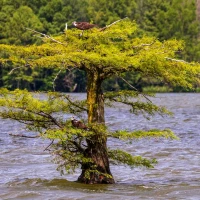
North Carolina’s state bird thrives across a range of environments, making the state an ideal sanctuary. From the Appalachian Mountains to the Coastal Plain, the cardinal is adaptive, often found in woodland edges, swamps, garden areas, and even urban backyards. This flexibility has allowed the species to prosper and become a fixture throughout North Carolina’s abundant landscapes.
The Cardinal’s Diet: What’s on the Menu?
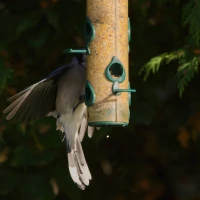
Foraging and feeding are pivotal to the cardinal’s survival. These birds primarily feed on seeds, grains, and fruits, but they are also known to enjoy insects and snails, especially during the breeding season when extra protein is invaluable. The cardinal’s strong bill is particularly adapted for cracking open seeds, making it a master at accessing food that many other birds cannot.
The Role of the Cardinal in North Carolina’s Ecosystem
The Northern Cardinal plays a significant role in its ecosystem by acting as both a seed spreader and a predator of harmful insects. Its dietary habits help control insect populations and foster plant growth, making it an essential player in maintaining the ecological balance.
Breeding and Nesting: A Look at the Cardinal’s Life Cycle
The Northern Cardinal is monogamous, often forming pairs that stay together throughout the year. The breeding season, which spans from March to September, sees a flurry of activity, with males performing courtship displays to entice females. Together, they build nests out of twigs, grasses, and other plant materials—usually situated in thick shrubbery. Females lay clutches of two to five eggs, which they diligently incubate for about 12 to 13 days.
Vigilance and Parenting Strategies Among Cardinals
Once the eggs hatch, both parents are actively involved in feeding and protecting the young. This vigilant parenting ensures that many chicks grow to maturity, although predators and environmental factors can be significant challenges.
Conservation Efforts: Safeguarding the Beauty of North Carolina State Bird
The Impact of Human Activity on the Cardinal’s Habitat
While the Northern Cardinal is not currently endangered, it is not immune to the threats posed by rapid urbanization, deforestation, and climate change. Loss of natural habitat and food sources can be detrimental to the cardinal’s population over time.
What Is Being Done to Protect North Carolina’s Feathered Symbol?
Conservation efforts are essential in preserving the natural habitats and continuous survival of North Carolina’s state bird. Various initiatives aim to promote sustainable land use, protect areas essential for the bird’s breeding and feeding, and foster community engagement in conservation practices. These actions help ensure that future generations can continue to admire the cardinal’s beauty.
The Cultural Significance of the Northern Cardinal in North Carolina
The Cardinal’s Place in North Carolina’s Heritage
Selected in 1943, the Northern Cardinal became an emblem of North Carolina due to its popularity and the value people placed on its beauty and song. Its vibrant presence year-round makes it a fitting representative of the state’s natural diversity and beauty. The cardinal not only symbolizes the state but also features prominently in local art, literature, and folklore.
Educational and Recreational Opportunities
The fascination with the Northern Cardinal extends beyond mere admiration. It opens doors to educational and recreational opportunities. Bird watching has become a popular activity, fostering an appreciation for nature and the environment. This engagement promotes conservation efforts and encourages a deeper understanding of the state’s native wildlife.
Cardinals in Art and Iconography: A Symbol Beyond Borders
Though the cardinal is an icon of North Carolina, its appeal stretches far beyond the state’s confines. The bird’s image cascades across various expressions of art and culture, further cementing its status as an emblem of natural majesty.
State Bird Celebrations: Events and Engagements
North Carolina holds events and activities that center around the cardinal, creating a sense of community and shared cultural identity. These events also serve an educational purpose, highlighting the importance of the state bird and the broader ecological concerns linked to its well-being.
Connecting With Nature: How You Can Experience the Cardinal’s World
Bird Watching in North Carolina: A Guide to Finding the Cardinal
For those eager to witness the glory of North Carolina’s state bird, numerous spots across the state present perfect opportunities. From state parks to local wildlife refuges, there is an array of environments where the cardinal can be spotted in its natural splendor. Key tips for bird watchers include being patient, quiet, and observant to increase the chances of a rewarding sighting.
Supporting Local Wildlife: Community Involvement Matters
The wonder of the Northern Cardinal can be a call to action to support wildlife endeavors. By participating in local conservation organizations or initiatives, individuals can make a significant impact. Planting native flora in gardens, supporting bird-friendly legislation, and even participating in citizen science projects are ways to foster a favorable environment for the Northern Cardinal.
Fostering Education and Awareness
Educating the public about the Northern Cardinal and its importance to North Carolina’s ecosystem is vital. Schools and local institutions can play roles in spreading this knowledge and nurturing a sense of stewardship in the younger generations.
Conclusion: A Testament to North Carolina’s Avian Glory
North Carolina’s state bird, the Northern Cardinal, is a testament to the natural beauty and ecological complexity of the state. Its captivating presence across varied landscapes serves as a constant reminder of the wonders that feather our world. By unveiling the myriad aspects of the cardinal’s existence, from its distinct traits to its critical role in its habitat, we pay homage to a species that is more than just a symbol—it’s an integral thread in the fabric of North Carolina’s vibrant ecosystems.
May our tribute to the beauty of North Carolina’s state bird encourage both residents and visitors to cherish, protect, and celebrate the cardinal for the elegance and vitality it brings to our lives. Its continued presence is not just a joy to behold, but an inspiration for our collective commitment to the delicate balance of our natural world.