Attracting the ethereal hummingbird to your garden can be a rewarding endeavor, creating an enchanting atmosphere filled with vibrant colors and lively activity. These tiny feathered jewels are on the constant lookout for nourishing nectar and strategic breeding grounds. As gardeners, we can create a haven that not only offers them sustenance but also a safe harbor. In this comprehensive guide, we’ll explore the top plants that attract hummingbirds, transforming your green space into an instant magnet for these delightful birds.
The Magical Lure of Nectar-Rich Blooms
Before we delve into the specific flora, it’s essential to understand the symbiotic relationship between hummingbirds and nectar-rich plants. Hummingbirds are equipped with an innate preference for certain flower characteristics, such as bright colors (especially red and purple), tubular shapes, and abundant nectar supplies.
Why Hummingbirds Favor Certain Plants
The Secret Lies in Shape and Color
The structure of a flower plays a crucial role in its appeal. Tubular flowers are an exquisite fit for the long, slender beaks of hummingbirds, enabling them to reach the nectar that other birds and insects can’t. The vivid hues of these plants act like neon signs, advertising a nectar pit stop for these speedy aviators.
The Role of Prolific Nectar Production
Underlying the allure of shape and color is the essential nectar. Plants that produce copious amounts of it will be more attractive to hummingbirds seeking to replenish their energy reserves. This energy-rich liquid is the primary food source for hummingbirds, making it vital for their survival during migration and breeding seasons.
Top Hummingbird-Friendly Plants for Your Garden
Embarking on this botanical journey requires tailored choices to make your garden a hummingbird hotspot. Here’s a compilation of the must-have plants, renowned for their hummingbird-attracting prowess.
Flower Power: The Best Blooms for Your Feathered Friends
1. Salvia (Salvia spp.)
Salvia, also known as sage, is a group of perennial plants that flaunt elongated flower spikes which hummingbirds find irresistible. The plant comes in various colors, with the red and purple varieties being the most captivating for our target birds.
2. Bee Balm (Monarda didyma)
With its vibrant red blossoms and tubular petals, bee balm is a hummingbird favorite. This hardy perennial not only adds a splash of color to your garden but also acts as a hummingbird magnet during its blooming season.
3. Trumpet Vine (Campsis radicans)
If you’re looking for a robust vine with a profusion of stunning trumpet-shaped flowers, look no further than the trumpet vine. This climbing marvel can transform trellises and walls into vertical nectar cafes for hungry hummingbirds.
4. Cardinal Flower (Lobelia cardinalis)
As the name implies, the cardinal flower boasts showy red blooms that serve as a beacon for hummingbirds. This perennial’s ability to thrive in damp conditions makes it a unique addition to any garden.
5. Fuchsia (Fuchsia spp.)
Fuchsias are enchanting with their pendulous, teardrop-shaped flowers in shades of pink, purple, and red. They are particularly adept at attracting hummingbirds, who are drawn to the flowers’ rich nectar and striking colors.
6. Columbine (Aquilegia spp.)
The delicate bell-shaped flowers of columbine are a hummingbird’s dream, offering both nectar and visual appeal. With varieties that range in color and form, columbine is a versatile choice for any garden design.
Best Practices for Growing Hummingbird-Attracting Plants
To ensure your chosen plants thrive and continuously appeal to hummingbirds, here are some best practices to consider:
- Provide Sunlight: Many nectar-rich plants require full to partial sunlight. Ensure your garden is appropriately positioned to meet the sunlight needs of your specific plants.
- Maintain Moisture: Regular watering is crucial, especially for those plants that prefer moist soil, like the cardinal flower.
- Fertilize Thoughtfully: Use a balanced fertilizer to encourage growth and blooming, but avoid over-fertilization, which can lead to more foliage at the expense of flowers.
- Prune Periodically: Pruning encourages new growth and can lead to more abundant blooms, which in turn can attract more hummingbirds.
Supplementary Strategies to Attract and Sustain Hummingbirds
In addition to planting a variety of nectar-rich flowers, there are complementary practices you can implement to ensure your garden is utterly irresistible to hummingbirds.
Provide Perching Spots
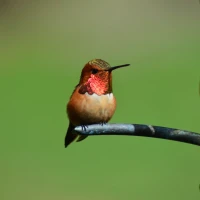
Hummingbirds, though known for their remarkable flying abilities, do need periods of rest. Include thin branches, bare twigs, or even specific hummingbird perches where they can survey their surroundings.
Offer Supplementary Feeding Stations
Setting up hummingbird feeders filled with sugar water can provide additional sustenance, especially during the migration season when natural food sources may be scarce. Ensure to keep the feeders clean and the sugar solution fresh.
Avoid Pesticides
Maintain a hummingbird-friendly environment by avoiding pesticides, which can harm these delicate creatures and reduce their primary food source – insects and spiders.
Conclusion: Cultivating a Haven for Hummingbirds
Creating a refuge for hummingbirds presents dual rewards: you contribute to the conservation of these remarkable birds and gain an animated, ever-changing display of life and color in your garden. By carefully selecting and nurturing the best plants for hummingbirds, complemented with mindful gardening practices, you can transform your outdoor space into a dazzling hummingbird sanctuary. Witnessing these tiny, spirited birds flitting from flower to flower will be a daily testament to the allure and success of your hummingbird garden.
Remember, the journey toward a hummingbird-friendly garden is one of patience and persistence. Through thoughtful plant selection, dedicated care, and an understanding of the needs of these enchanting birds, your garden will become a buzzing hub of activity that resonates with the joyous hum of hummingbird wings. Embark on this rewarding adventure, and bask in the delights of nature’s smallest wonders.