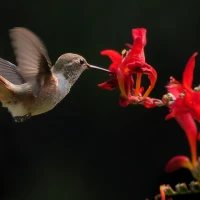
The rufous hummingbird (Selasphorus rufus), a tiny yet formidable presence in the avian world, captivates bird enthusiasts and wildlife biologists alike with its fiery plumage and untiring energy. Often referred to as nature’s dynamo, this diminutive bird harbors secrets that have long intrigued scientists and casual observers. In this comprehensive exploration, we lift the veil on the rufous hummingbird to better understand these natural marvels and embrace the enchantment they offer to our ecosystems. Immerse yourself in the fascinating world of the rufous hummingbird, where each flutter of wings holds a secret waiting to be unveiled.
The Rufous Hummingbird: A Brief Overview
Hummingbirds, known for their aeronautic prowess and vibrant colors, are a sight to behold, with the rufous hummingbird standing out as a particularly impressive species. Before we delve deeper, let’s touch upon the essentials that characterize these feathered wonders:
- Size and Description: Measuring only about 3 inches in length, rufous hummingbirds carry a distinctive orange-brown plumage that earns them their name. Males showcase a bright rufous coloration, while females flaunt a subtler hue with spots of green.
- Distribution: These birds embark on an epic migration each year, traveling from their wintering grounds in Mexico to breeding areas as far north as Alaska—a testament to their enduring vigor.
- Behavior: Known for their zesty territoriality, this species defends feeding grounds with unmatched ferocity.
Understanding Rufous Hummingbird Migration Patterns
The Phenomenal Journey
Rufous hummingbirds are long-distance champions, embarking on migrations that are nothing short of spectacular. Following an internal compass and celestial cues, they traverse thousands of miles across varied landscapes to find the optimal habitat for feeding and nesting.
- Spring Migration: Heading northward, rufous hummingbirds experience a revival of energy as they capitalize on the spring bloom.
- Fall Migration: Come autumn, these avians chart a different course back, a strategy known as “loop migration,” ensuring a steady food supply.
Adaptations for Endurance
To sustain such ambitious migration, rufous hummingbirds possess physiological adaptations:
- High Metabolic Rate: Their bodies operate at an exceptional pace, consuming energy at a rate that is nothing short of astonishing.
- Fat Reserves: Before the journey, hummingbirds accumulate a significant layer of fat, effectively turning into tiny, feathered fuel tanks.
- Spatial Memory: They not only remember feeder locations but also flower blooming schedules—a cognitive feat that maximizes their feeding efficiency.
Unraveling Rufous Hummingbird Behavior
Territoriality and Aggression: Survival Instincts Unleashed
In the world of rufous hummingbirds, space is a premium commodity. These birds engage in dazzling aerial dogfights to defend their territories. It’s a mix of necessity and instinct that drives these behaviors, offering a window into the primal core of this species.
- Display Dives: Males perform intricate dive displays, swooping down in a J-shaped pattern to impress females and intimidate rivals.
- Vocalizations: Chirps and buzzing sounds serve as auditory markers of their presence, signaling their boundaries with clarity.
Foraging: The Quest for Nectar
These hummingbirds seek out an assortment of flora, demonstrating a preference for tubular flowers rich in nectar.
- Utilizing Long Bill: Their elongated bill acts as a natural straw, drawing out nectar from deep within flowers.
- Hovering Mastery: The ability to hover mid-air allows rufous hummingbirds to feed while expending minimal energy, a trait crucial to their survival.
The Importance of Feeders in Rufous Hummingbird Conservation
As human developments encroach on natural habitats, artificial feeders have gained significance:
- Providing Reliable Food Source: Supplemental feeding through feeders helps sustain populations during migration.
- Encouraging Conservation Efforts: Observing these birds up close fosters a greater appreciation and an urge to protect them.
The Mating Dance: Insights into Rufous Hummingbird Reproduction
The Male’s Display: A Spectacle of Aerial Acrobatics
Courtship is a sweep of evocative displays, where males exhibit their vivacity and vigor in a bid to charm the more demure females.
- Zigzag Flights: A rapid sequence of maneuvers showcases agility and strength, attributes favored by females in choosing a mate.
Nesting: A Mother’s Endeavor
Female rufous hummingbirds exhibit profound independence in nesting activities. The construction of the nest is an intricate process, requiring finesse and resilience.
- Material Collection: Females gather soft plant fibers and spider silk, the latter serving as a natural adhesive to build and anchor their nests.
- Incubation and Chick Rearing: The mother takes on the onus of incubating the eggs and feeding the hatchlings, bending the rules of avian parenting.
The Secret Life of Rufous Hummingbirds
Unlocking the Mysteries of Metabolism
Understanding the metabolic mysteries of rufous hummingbirds is a puzzle that scientists continue to delve into. With a metabolism that’s among the fastest in the animal kingdom, these birds can switch from hyperactivity to a state of torpor to conserve energy.
- Nightly Torpor: This physiological state resembles a deep sleep, allowing hummingbirds to save valuable energy during cold nights or when food is scarce.
Rufous Hummingbird Intelligence: A Cognitive Powerhouse
Size belies the intelligence of these compelling birds:
- Memory Recall: Their capacity to remember specific locations and timing for feeding is an underlined testament to their cognitive prowess.
- Problem Solving: Rufous hummingbirds have been observed demonstrating an ability to solve problems, such as accessing feeder ports that have been modified to challenge them.
The Future of Rufous Hummingbirds: Conservation and Hope
Threats to Their Sustenance
Rufous hummingbirds face mounting pressures from climate change and habitat loss. Pesticide use and window collisions also contribute to their dwindling numbers. Acknowledging these threats is vital to the preservation of their species.
Conservation Efforts and Citizen Science
The bright spark in the rufous hummingbird’s story is the concerted conservation efforts:
- Habitat Restoration: Replanting native plants and restoring habitats offers a ray of hope in bolstering their populations.
- Citizen Science Projects: Participation in programs like the Hummingbird Monitoring Network empowers individuals to actively contribute to data collection and conservation.
Climate Change: Altering the Status Quo
Climate change poses a looming challenge, disrupting migration patterns and flowering times, which could potentially desynchronize the birds from their food sources.
- Advocacy and Research: Continued research and advocacy are pivotal in crafting strategies to mitigate climate change impacts on rufous hummingbirds.
Conclusion: Embracing the Wonder of Rufous Hummingbirds
As we shine a light on the secrets of the rufous hummingbird, it becomes abundantly clear that these birds are not just witnesses to nature’s majesty but active participants in perpetuating the splendor. By unveiling the mysteries surrounding their vibrant lives, we foster a deeper connection with these avian marvels and the natural world they animate. Let us champion for the rufous hummingbird, a true dynamo of nature, and ensure their tales of resilience and beauty continue to unfold across the skies.