Welcoming the chirpy, animated presence of titmouses into your backyard can transform it into a lively sanctuary filled with natural charm. These petite birds, with their distinctive calls and endearing behaviors, are a sight to behold for any birdwatching enthusiast. In this comprehensive guide, you will embark on a journey to unlock the secrets of the titmouse, learning how to attract and appreciate these perfect backyard companions. From understanding their unique habits to creating an irresistible habitat, every paragraph pulsates with insights and tips that promise to elevate your birding experience.
Unraveling Titmouse Behavior: A Window into Their Delightful World
To truly attract titmouses to your garden, comprehending their behavior is essential. These feathered acrobats exhibit a myriad of interesting characteristics that, once understood, can be the key to making your yard their favorite haunt.
Identifying Your Titmouse: A Look at the Varieties
Titmouses come in different species, with the Tufted Titmouse and the Black-crested Titmouse being among the most common in North America. Recognizing their subtle differences can enrich your birdwatching experience and help you cater to their specific needs.
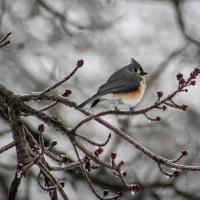
- Tufted Titmouse (Baeolophus bicolor): Known for its gray upper parts, white underparts, and rust-colored flanks. Its most noticeable feature is the tuft of feathers on its head.
- Black-crested Titmouse (Baeolophus atricristatus): Similar to its Tufted cousin but sports a distinctive black crest.
Characteristics to Look For
- Distinctive crest: A defining feature of many titmouse species.
- Color and plumage: Different species have unique colorations.
- Size and shape: Small, round body with a large head and bill.
- Song and call: Listen for their “peter-peter-peter” call in your backyard.
Understanding Titmouse Behavior Patterns
Titmouses are active, social birds, often seen flitting energetically from branch to branch. They’re highly inquisitive, which can aid in attracting them to well-prepared backyards.
- Foraging habits: Titmouses mainly feed on insects, seeds, and berries, and they often stash food for later.
- Social structure: They tend to move in small flocks or family groups, particularly outside the breeding season.
- Breeding behavior: Titmouses are cavity nesters, often taking up residence in abandoned woodpecker holes or birdhouses.
Crafting the Ideal Titmouse Habitat: Your Guide to a Bird-Friendly Garden
Creating a suitable environment is critical to enticing titmouses into your garden. A blend of food, water, and shelter will ensure these birds find your backyard hospitable.
Food Sources: Setting the Banquet for Titmouses
A diverse range of food is necessary to satisfy the varied diet of a titmouse. Strategically placing the right kind of feeders and seeds will make your yard a prime destination.
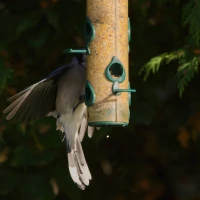
- Seed feeders: Offer sunflower seeds, a titmouse favorite, using sturdy, easy-to-access feeders.
- Suet feeders: Provide high-energy suet cakes, especially beneficial during colder months.
- Plant selection: Native plants that produce berries and seeds can also provide natural food sources.
Avoiding Common Feeding Mistakes
To maintain a healthy and safe feeding environment, it’s crucial to avoid certain pitfalls:
- Overcrowding: Ensure there are enough feeders to prevent competition among birds.
- Cleanliness: Regularly clean feeders to prevent the spread of disease.
- Placement: Position feeders away from potential predator hiding spots.
Water Features: The Essential Element
A consistent supply of fresh water for drinking and bathing is a draw for titmouses. A birdbath or a water feature that is:
- Easily accessible
- Kept clean
- Filled with fresh water
Tips for a Titmouse-Friendly Birdbath
- Shallow depth: Ensure the water isn’t too deep for the small birds.
- Rough texture: A textured surface will provide grip and prevent slipping.
- Moving water: Consider adding a dripper or fountain to pique the birds’ curiosity.
Shelter and Nesting Sites: Providing a Safe Haven
Shelter is a critical component of a titmouse-friendly garden. A secure place to nest and take refuge from predators will increase the likelihood of these birds calling your yard home.
- Birdhouses: Install birdhouses with appropriate entrance hole sizes to attract titmouses.
- Natural cover: Preserve natural vegetation, which offers excellent protection and nesting materials.
Ideal Birdhouse Characteristics
- Proper dimensions: Not too large; cozy enough for titmouses to feel safe.
- Ventilation: Sufficient air circulation to prevent overheating in summer.
- Drainage: Holes at the base to drain any accumulated water.
The Dos and Don’ts of Titmouse Attraction: Best Practices for Bird Enthusiasts
Attracting titmouses requires mindful actions and avoidance of detrimental practices.
The Dos: Encouraging Titmouses to Visit
Implementing certain strategies can significantly boost your chances of hosting titmouses:
- Research local species: Know the titmouse species that inhabit your region and cater specifically to them.
- Create a multi-layered habitat: Diverse vegetation provides food, shelter, and nesting opportunities.
- Be consistent: Keep feeders and birdbaths well-maintained year-round to build trust with the visiting titmouses.
The Don’ts: Avoid These Common Mistakes
Certain behaviors can deter titmouses from your garden:
- Neglecting feeder and birdbath maintenance: Dirty or empty feeders can drive titmouses away.
- Ignoring predator presence: Cats and other predators can scare off these cautious birds.
- Using chemicals: Pesticides and herbicides can harm the birds and their food sources.
Engaging with Your New Feathered Companions: Tips for Birdwatching and Interaction
Birdwatching is not just about observation; it’s about forming a connection with your avian visitors.
Setting Up the Perfect Birdwatching Spot
Dedicate a quiet corner of your yard for birdwatching where you won’t be intrusive. Equip it with:
- Comfortable seating
- Optimal viewing angles
- Avoidance of sudden movements or loud noises
Binoculars and Cameras: Tools of the Trade
Invest in a good pair of binoculars for close-up viewing and a camera to capture memorable encounters. Remember to:
- Stay patient and quiet
- Practice ethical photography
- Document your observations
Conclusion: The Joy of Hosting Titmouses in Your Backyard
As the article draws to a conclusion, it becomes clear that understanding and attracting titmouses is a rewarding endeavor, infusing your environment with intrigue and vitality. Whether you’re a longtime bird enthusiast or a budding birdwatcher, creating a haven for these enchanting creatures will provide endless joy and a unique connection with nature.
By following the detailed guidance provided, you’re now well-equipped to welcome titmouses into your life. Embrace the challenge of crafting a sanctuary in your own backyard and savor the delightful companionship of these wonderful titmouse visitors. Your efforts will not only gift you with vibrant wings fluttering amidst your greenery but also contribute to the conservation and appreciation of these remarkable birds.